

Mining is one of the most important “power spikes” in Hytale. The moment you move from basic gear into metal tools and stronger armor, exploration gets easier, combat gets safer, and building options open up fast. But mining efficiently isn’t just about digging a random staircase underground. Ore distribution is strongly influenced by where you are in the world and what kind of underground spaces you’re exploring. If you’re playing with friends on a community Hytale server, having a clear ore plan also keeps everyone progressing together instead of splitting up and wasting time.
Instead of relying purely on depth like some other block games, Hytale’s world is commonly discussed in terms of zones. These are distinct regions with their own climates, creatures, structures, and resources. While caves everywhere can contain valuable materials, certain ores become much more common once you start traveling beyond the starting areas. This guide breaks down where to find each ore, which zones favor it, and how to mine it efficiently so you spend more time upgrading and less time wandering in empty tunnels.
How Ore Spawns In Hytale (The Basics)
Before we jump into each ore, it helps to understand what makes ore hunting successful:
- Zones matter. Different regions lean toward different ore types. If you’re trying to farm a specific metal, going to the right zone saves a huge amount of time.
- Caves beat strip-mining. Natural caves expose ore veins on walls and ceilings, letting you gather quickly without blindly digging.
- Ores appear on the surface near mountain sides. Especially in harsher regions, you can sometimes spot valuable ore in cliff walls or exposed rock.
- Tool progression matters. If you find a rare ore early, you may not be able to mine it efficiently without upgrading your pickaxe.
Now let’s get into the ore-by-ore breakdown.
Copper Ore: The Early-Game Staple
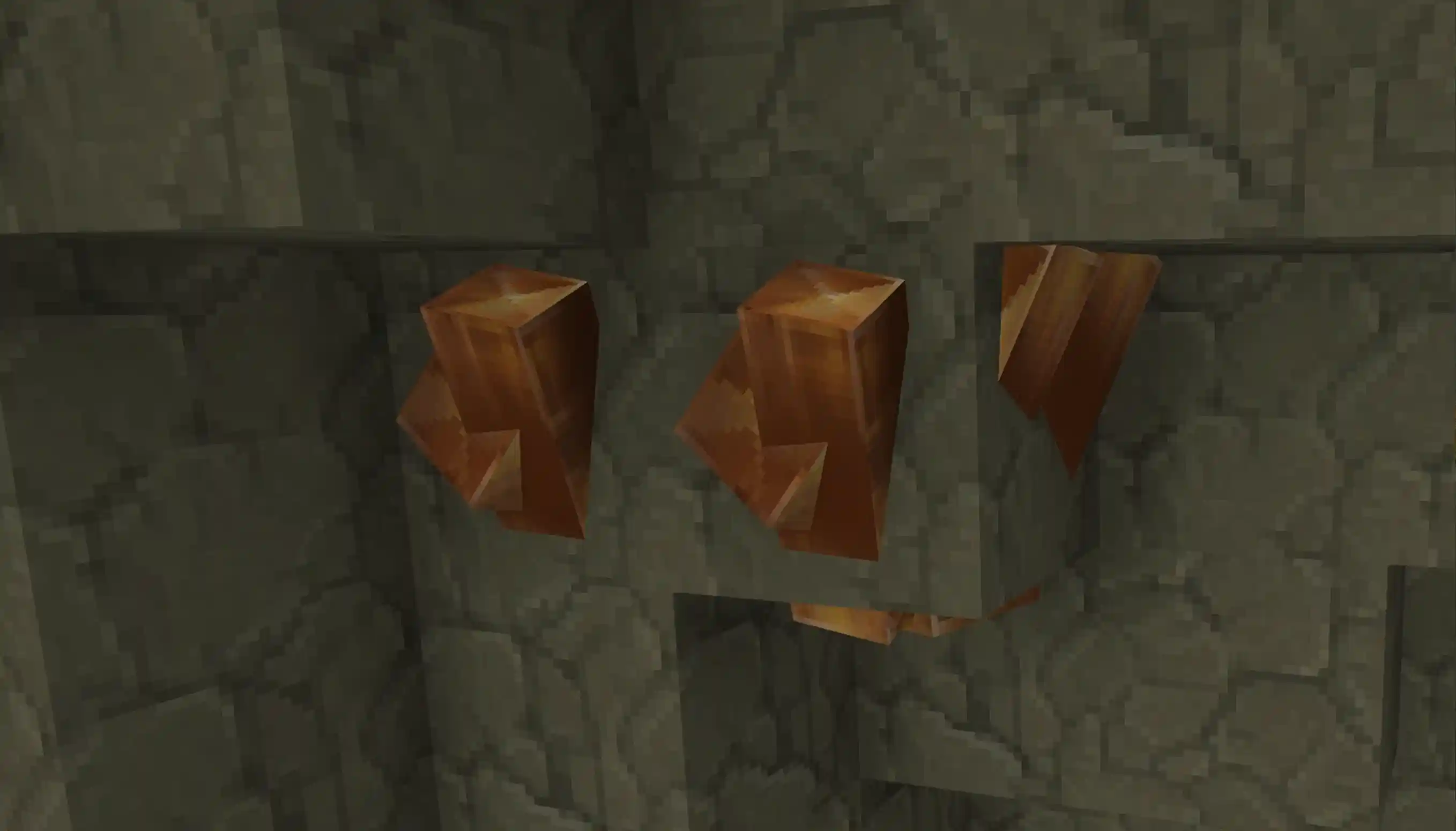
Copper is the metal you’ll likely see first and the one you’ll mine in bulk early on. It’s the backbone of your first real tool upgrades and is common enough that you don’t need to obsess over perfect routes.
Where to find copper:
- Zone 1 (lush grasslands/temperate regions): Copper is abundant in shallow cave systems, hillsides, and underground pockets beneath normal terrain.
- Zone 2 (desert regions): Still available, often mixed in with iron and other desert-favored materials.
- Zone 3 (snowy regions): Copper exists, but it tends to feel less common compared to iron and cobalt focused mining routes.
- Zone 4 (volcanic or devastated regions): You can still find copper, sometimes even in exposed deposits around rocky edges, but it’s not usually the main reason you mine here.
Best strategy:
Look for cave entrances near hills and rocky outcrops. Copper shows up frequently in early cave networks, so your fastest copper is usually found by exploring multiple small caves rather than going extremely deep in one spot.
Iron Ore: The Workhorse Metal
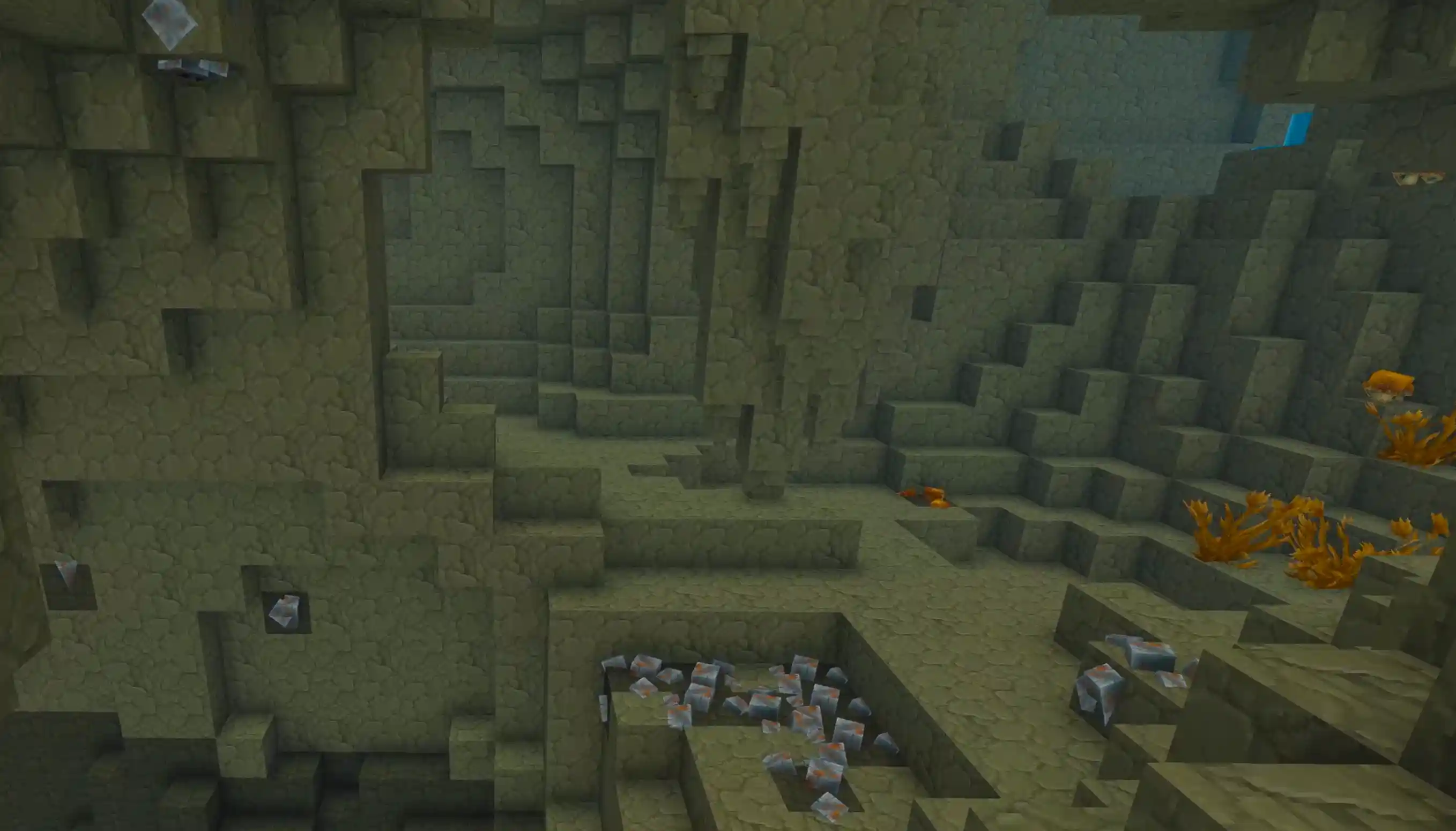
If copper is your starter metal, iron is the metal that carries you through the mid game. You’ll want a lot of it for tools, armor, crafting stations, and general progression.
Where to find iron:
- Zone 1: Iron shows up deeper in the cave system than copper, but is still very obtainable early-game.
- Zone 2: Desert cave systems are often excellent for iron farming. You can find large veins if you commit to underground exploration.
- Zone 3: Iron is very common in snowy cave networks and snowy mountain sides.
- Zone 4: Iron can appear, but ore variety tends to increase here, so iron doesn’t always feel as concentrated.
Best strategy:
Prioritize large cave systems instead of digging straight down. If you find a cave that branches and descends multiple layers, iron becomes dramatically easier to gather in quantity.
Thorium Ore: The Desert Specialty
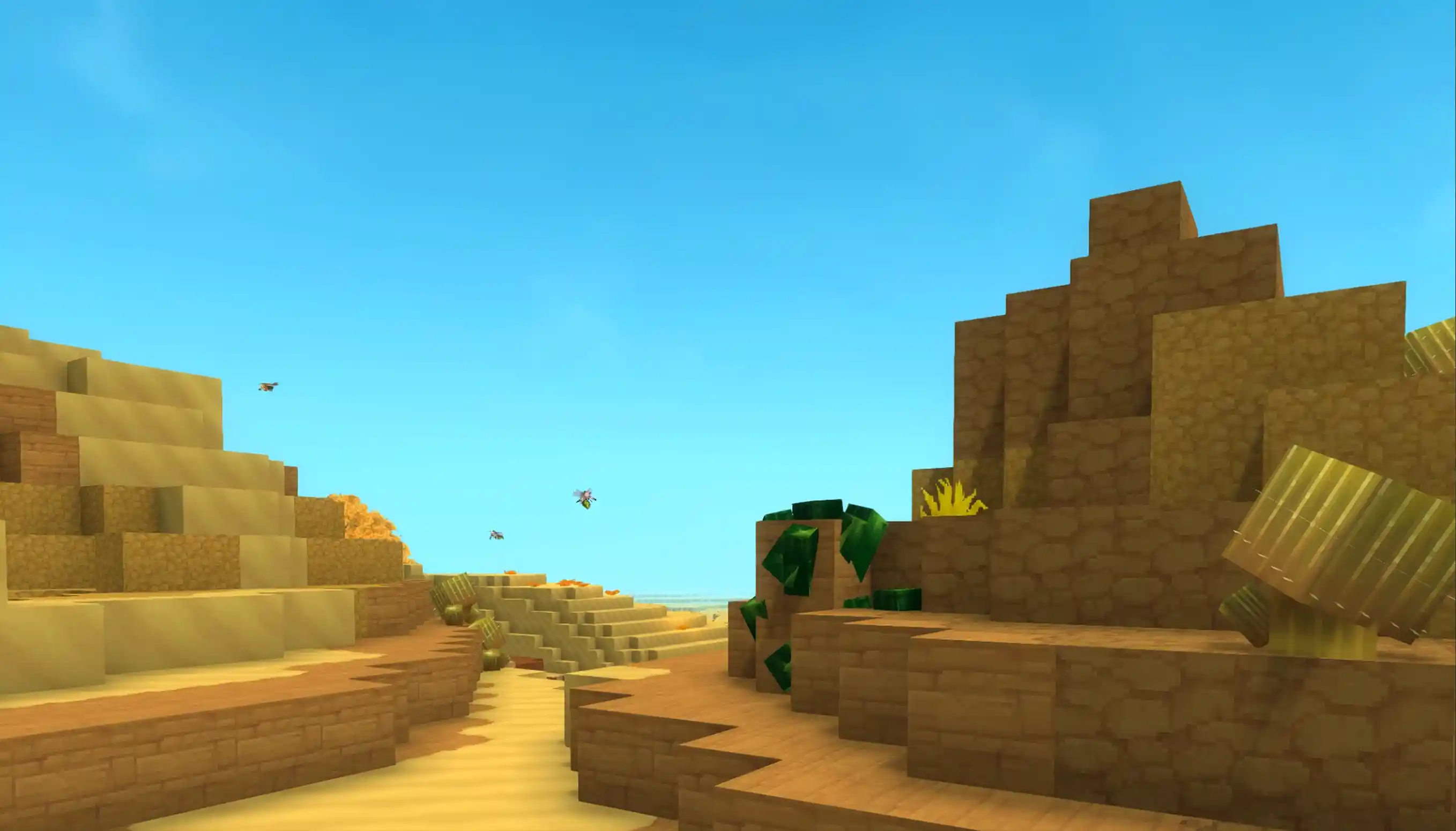
Thorium is a major target ore for players who want to move into stronger crafting options. It’s most strongly associated with desert-style regions and often rewards players who commit to mining expeditions.
Where to find thorium:
- Mostly Zone 2 (deserts/badlands): This is the prime thorium zone, where you’ll often see thorium in cave walls and sometimes along rocky or sandy cliff faces.
- Occasionally Zone 1&3: Small amounts can appear underground, on mountain sides or hills and inside mine shafts but it’s far less reliable than the desert.
Best strategy:
Treat thorium like an expedition resource. Bring extra torches, food, and inventory space, then focus on desert caves that go deep. If you’re serious about thorium farming, do multiple cave runs in Zone 2 rather than trying to force it elsewhere.
Silver Ore: Useful And Worth Grabbing
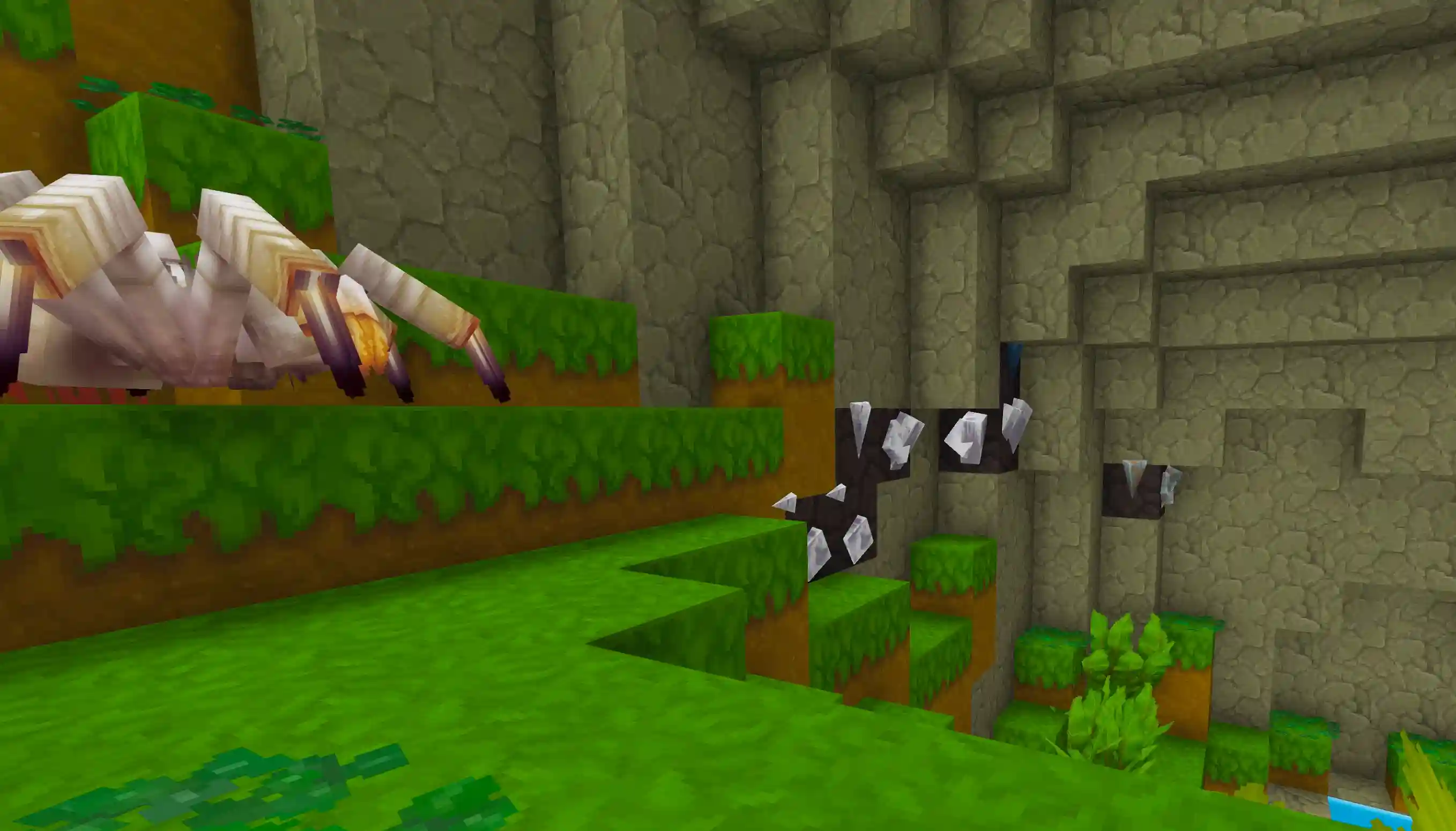
Silver sits in a satisfying middle ground. Not as common as iron, not as rare as the best endgame materials. It’s valuable enough that you should grab it whenever you see it, even if it isn’t your main goal.
Where to find silver:
- Zone 1 and Zone 2: Silver can appear in underground systems in both regions, often mixed with more common ores.
- Zone 3: Snowy Mountains and caves can be especially rewarding for silver while you’re searching for cobalt.
- Zone 4: Silver is possible to be found, especially in the forgotten jungle deep underground at the volcanic islands, but distribution can be inconsistent. You’ll often find it while heading toward other targets.
Best strategy:
Don’t look specifically for silver early. Instead, make it a bonus ore you collect during iron, thorium, or cobalt runs. Over time, you’ll build a healthy supply without wasting hours searching only for silver.
Gold Ore: Rare, Valuable, And Usually in Small Veins
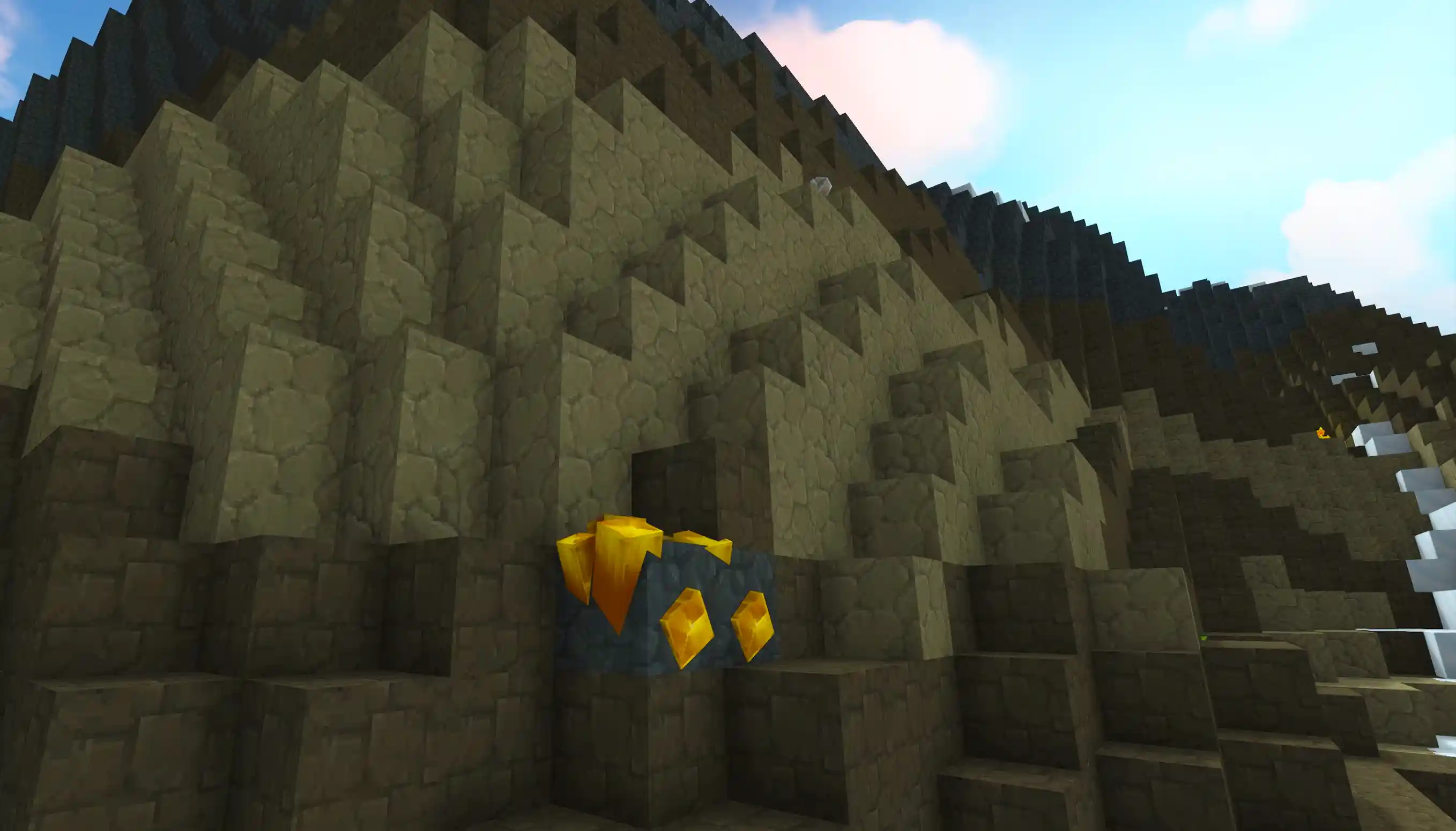
Gold is similar to Iron in terms of rarity, and it commonly appears in small pockets rather than huge, obvious fields.
Where to find gold:
- Zone 1 and Zone 2: Gold can spawn underground, but it’s very uncommon compared to copper and iron.
- Zone 3: Can commonly appear on snowy mountains and deeper icy caves as part of richer mining runs.
- Zone 4: Gold can be found on the surface and commonly in the deepest caves of zone 4 alongside other ores like cobalt, adamantite, silver, iron, and copper.
Best strategy:
Gold is best collected as part of multiple mining trips whilst looking for other ores. Go deep, explore wide, and treat it as a reward for thorough mining rather than a single ore mission.
Cobalt Ore: Snow And Harsh Regions Pay Off
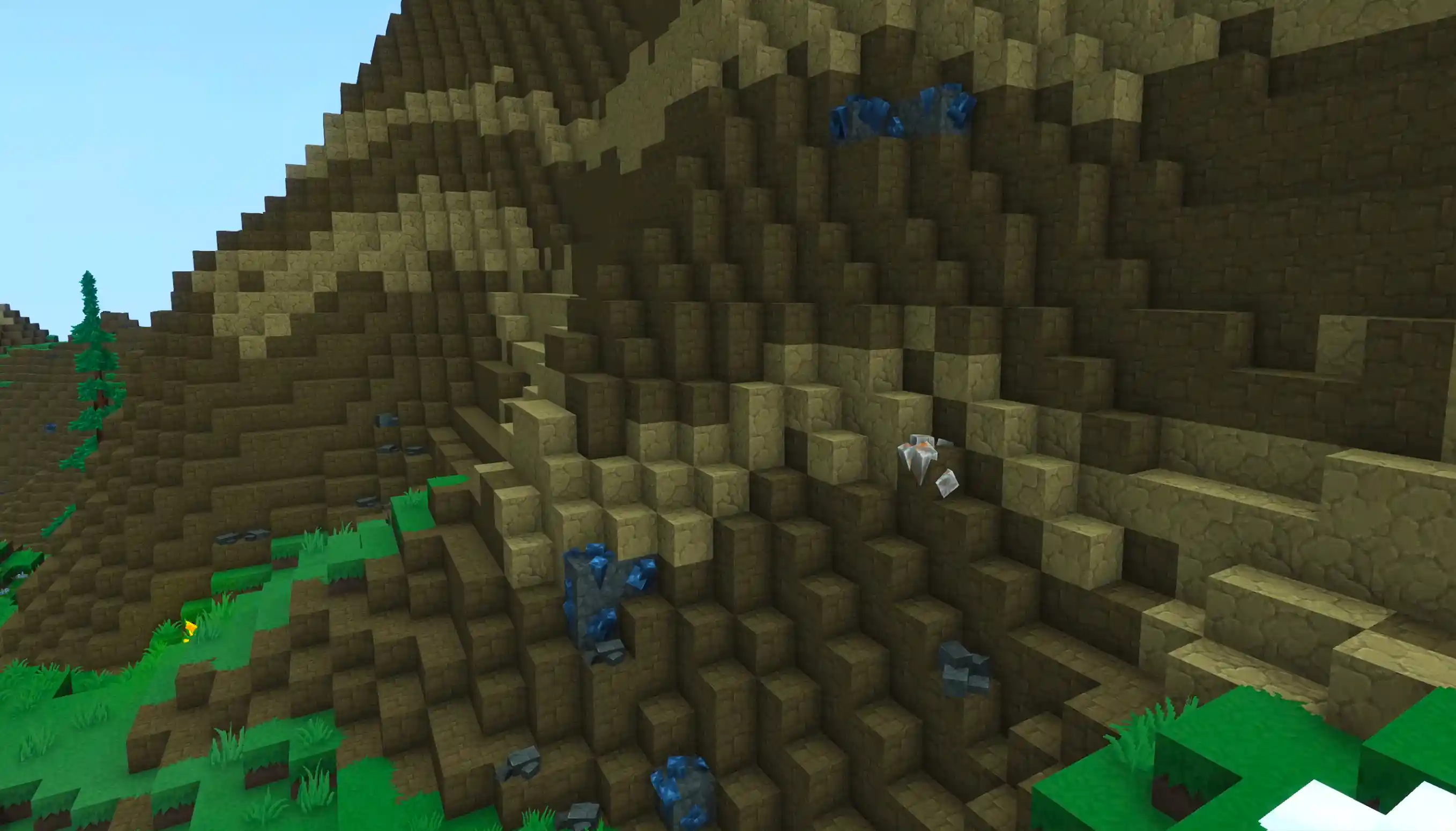
Cobalt is one of the big stepping stones into stronger progression. It tends to show up in colder or more dangerous areas, rewarding players who travel into tougher zones.
Where to find cobalt:
- Zone 3 (snow and ice regions): This is the standout cobalt zone. Icy mountains and cave systems are where cobalt becomes significantly more common.
- Zone 4 (volcanic/devastated regions): Cobalt can appear here too, sometimes in surface adjacent deposits or within its deepest tunnel networks in the forgotten jungle.
Best strategy:
If you need cobalt, plan a trip to Zone 3 and focus on the mountains, as they are more accessible and easier to traverse. A good alternative is also caves with an equal amount of spawns. Just remember to bring supplies for survival and lighting, because the best cobalt runs usually involve long cave routes and lots of branching tunnels.
Adamantite Ore: Late-Game Treasure in Dangerous Areas
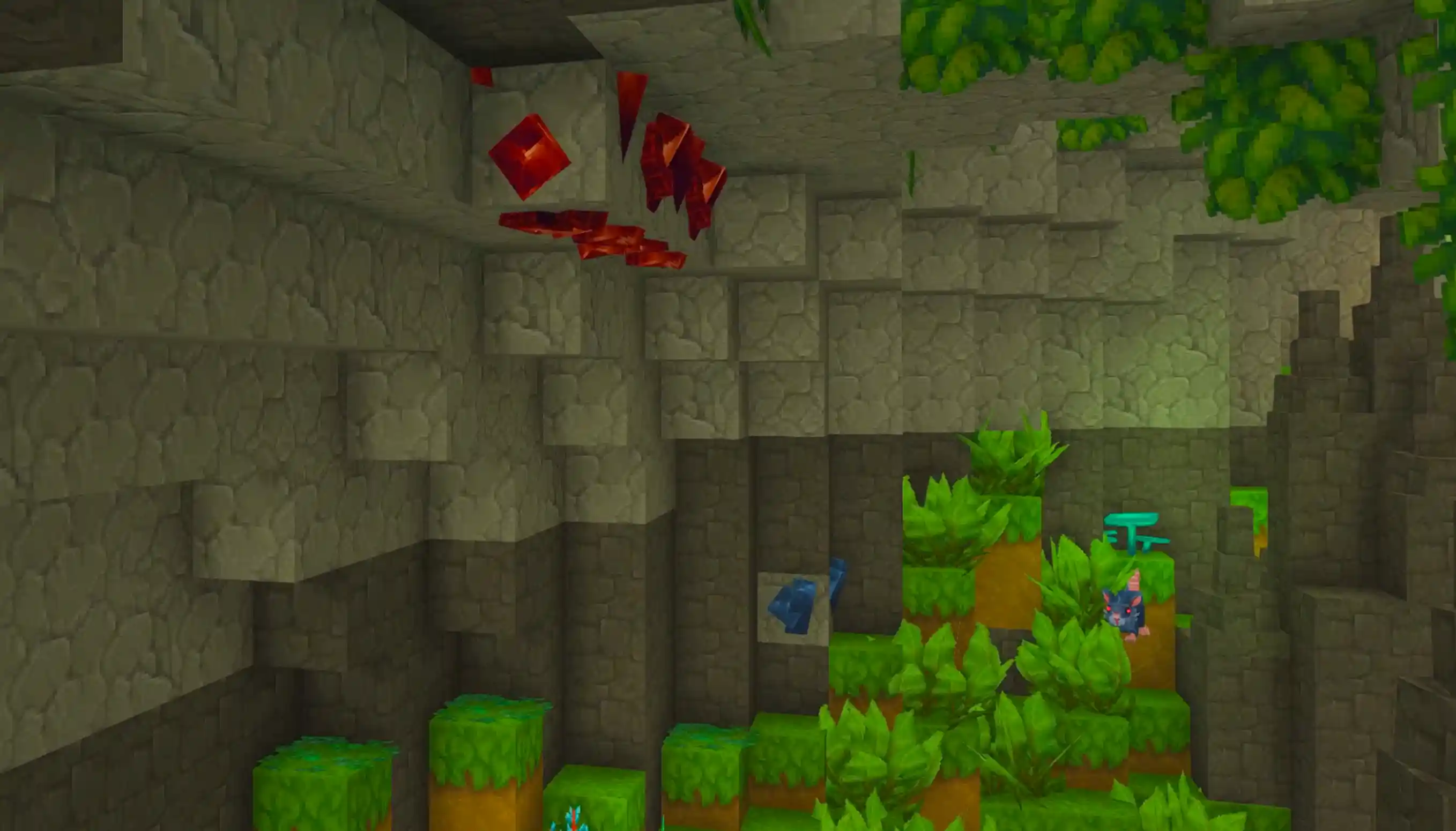
Adamantite is one of the rarest and most exciting ores to find. It’s strongly associated with the harshest regions, and the game often makes you earn it by surviving dangerous environments and complex cave networks.
Where to find adamantite:
- Mostly Zone 4 (volcanic/devastated areas): This is the primary hunting ground.
- Commonly appears in deep underground tunnels: Can be found in abundance in the forgotten jungle caves, and smaller tunnel systems beneath harsh terrain can hide excellent veins.
- Sometimes in exposed deposits on the surface: In some volcanic terrain, you may spot ore in rocky surfaces, near "waste" regions, and deep purple colored terrain regions or cliff faces.
Best strategy:
Adamantite is best farmed with an exploring mindset. Instead of digging randomly, locate a region with lots of caves or exposed rock for the occasional exposed pieces above ground, then explore methodically. Mark where you’ve been, bring strong gear, and prepare for danger if you decide to go inside the deepest caves, where it's most common.
Mithril: Does It Exist In Hytale?
The answer is yes, and no. Mithril does exist in-game as an item and can be spawned while in creative mode on a Hytale server, but cannot currently be found as a natural ore spawn in any biome. It is rumored it may be tied to future content, special structures, or a later stage of progression.
Quick Mining Tips That Actually Save Time
- Use caves first, mountains second, digging third. Caves and mountains expose ore for free.
- Bring extra torches and food. The best runs are long runs.
- Search in the right zone. Traveling to the correct area is faster than tunneling for hours.
- Clear inventory space. Ores fill your backpack fast, especially during deep runs.
- Upgrade your pickaxe as soon as you can or bring multiple if that's not an option.
Want to Farm With Friends?
If you want to farm ores with friends, build together, and explore the world without worrying about hosting or performance, consider getting dedicated Hytale server hosting with Pine Hosting. It’s an easy way to keep your world online, invite your crew anytime, and turn mining trips into full-on adventures.