

Hytale’s world, Orbis, is divided into distinct Zones, each composed of multiple biomes that affect terrain, wildlife, enemies, and exploration. The biomes range from lush forests and rolling plains to frozen tundras and volcanic wastelands. Whether you prefer peaceful building areas, dangerous hunting grounds, or resource rich endgame regions, this guide explains every known biome per zone and lists all documented mobs that appear in game so you can explore your Hytale server with confidence and decide which environments best suit your playstyle.
Quick Overview Of Zones & Biomes
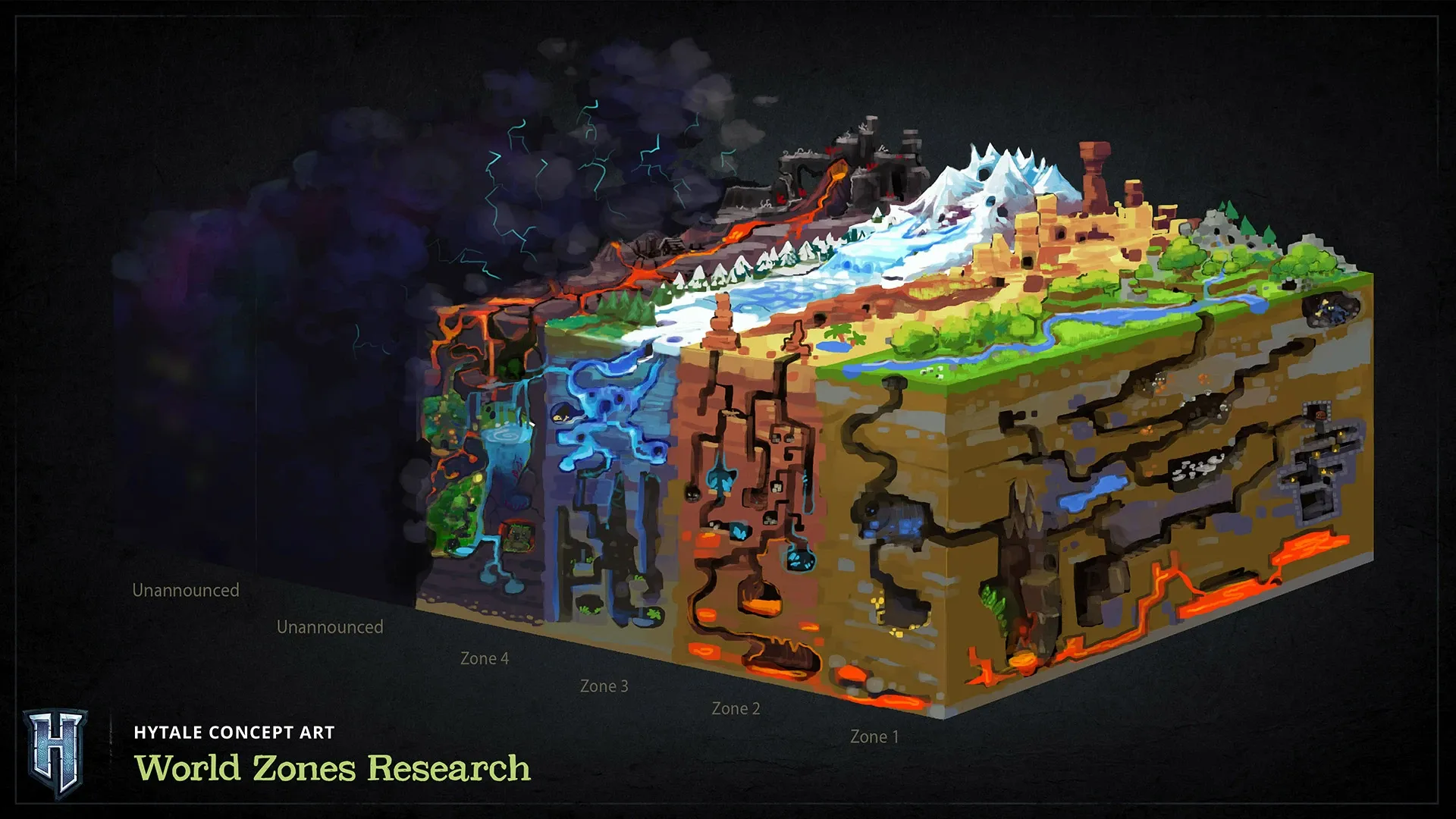
Hytale’s world is structured in layers of progression called Zones, with each Zone acting as a massive region that contains several different biomes inside it. Instead of every biome being spread randomly across the world, biomes are grouped by Zone theme and difficulty, which helps create a natural sense of progression as players travel farther from their starting area. Each Zone represents a dominant element that influences its climate, terrain, and enemy types, such as earth, wind, water, and fire. The biomes within each Zone then add variety through forests, plains, deserts, caves, mountains, and other local environments, all shaped by that elemental influence. This layered design allows the world to feel both diverse and organized, while still encouraging exploration across many different landscapes.
Zone 1 — Emerald Grove
- Plains
- Forests
- Cherry Blossoms
- Autumn Forest
- Snowy Mountains
- Swamps
- Caves
Zone 2 — Howling Sands
- Deserts
- Oasis
- Savannas
Zone 3 — Borea
- Pine Forests
- Snowy Forests
- Snowy Plains
- Snowy Mountains
- Ice Caves
- Moorland
Zone 4 — Devastated Lands
- Volcanoes
- Fiery Plains
- Tropical Jungle
Ocean Biomes (Across Zones)
- Deep Ocean
- Ocean Shelf
- Coral Reefs
Zone 1 — Emerald Grove (Earth Element)
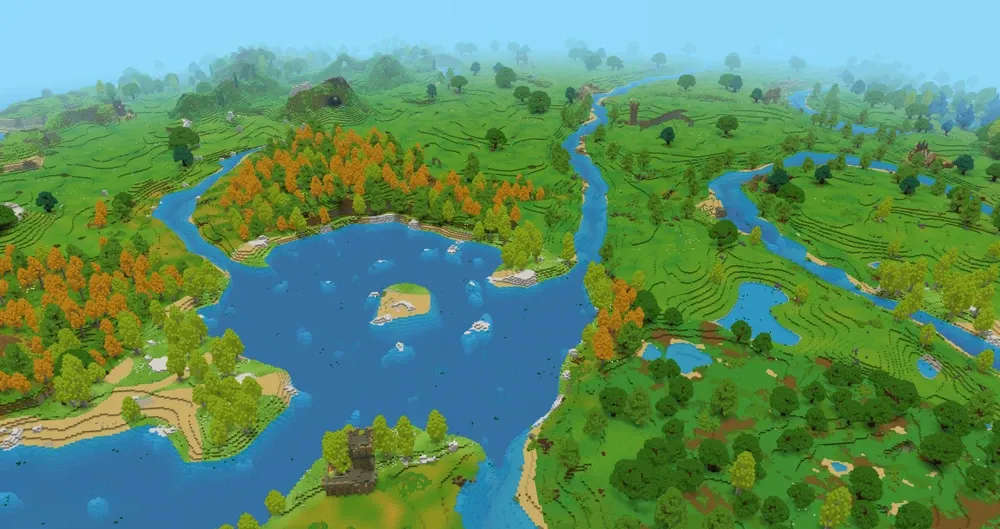
The Emeral Grove consists of a gentle, temperate landscape of green grass, forests, rolling hills, swamps and mountains. Beginner-friendly but with surprising dangers in caves and at night.
Emerald Grove Sub-Biomes
Plains
Wide grassy areas with flowers, grazing herds, and scattered trees. Good for early-game survival, farming, and encounters with neutral fauna.
Forests & Cherry Blossoms
Dense tree canopies, shaded clearings, and seasonal colors. Cherry Blossoms add floral scenery that doesn’t impede traversal.
Autumn Forest
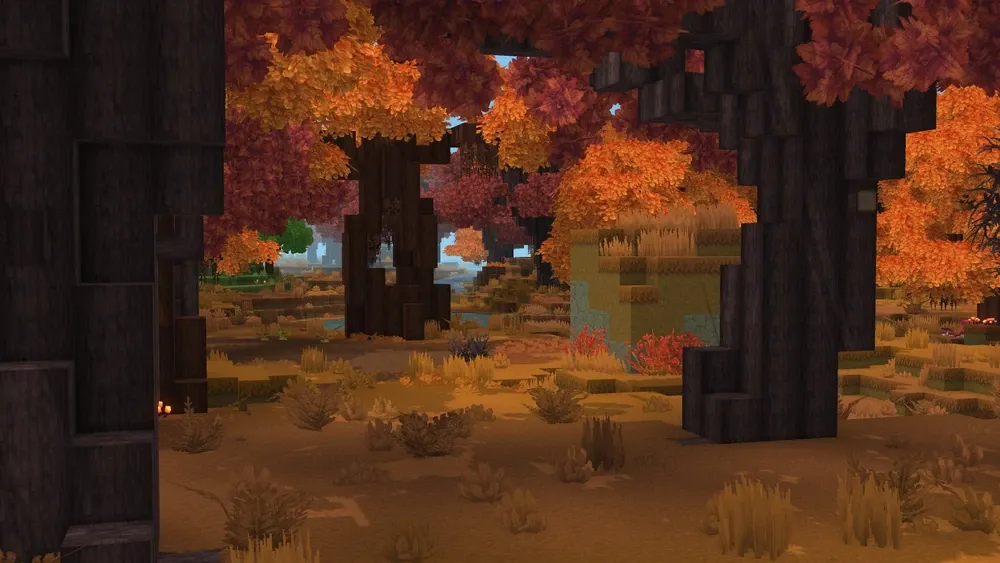
A variant with red-orange leaves — same threats and wildlife as regular forests.
Snowy Mountains
High elevation cold biome with snow, cliffs, and icy caves.
Swamps
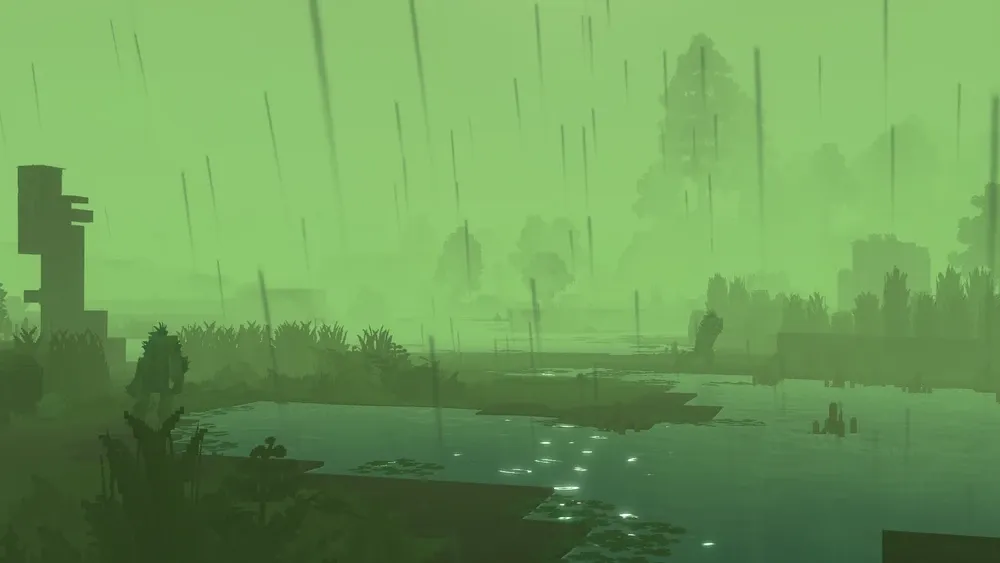
Muddy trails, waterlogged ground, and amphibious wildlife.
Caves
Underground corridors beneath these biomes with unique creatures and minerals.
Known Mobs in Zone 1 (Animals & Creatures):
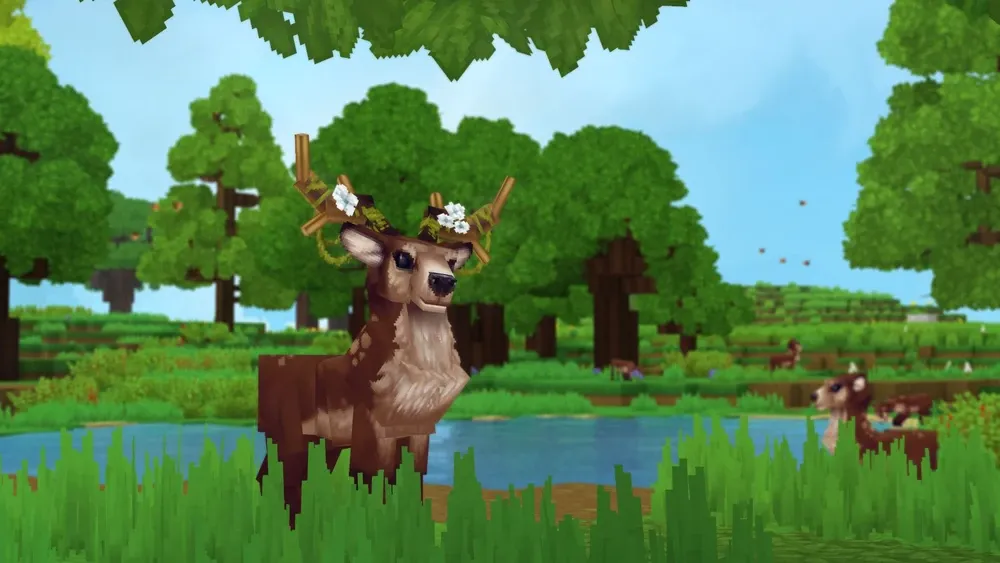
Animals & Ambient Life
- Antelope
- Bat
- Boar
- Cat
- Cattle (Cow)
- Chicken
- Crow
- Deer
- Dog
- Duck
- Frog
- Fox
- Mouse
- Owl (with snowy variant)
- Pig
- Pigeon
- Rabbit
- Rat
- Sheep
- Spider
- Wolf (including packs)
- Woodpecker
- Sparrow
- Tetrabird
- Vulture
- Kweebec (Faction)
Hostile & Monster-Type Creatures
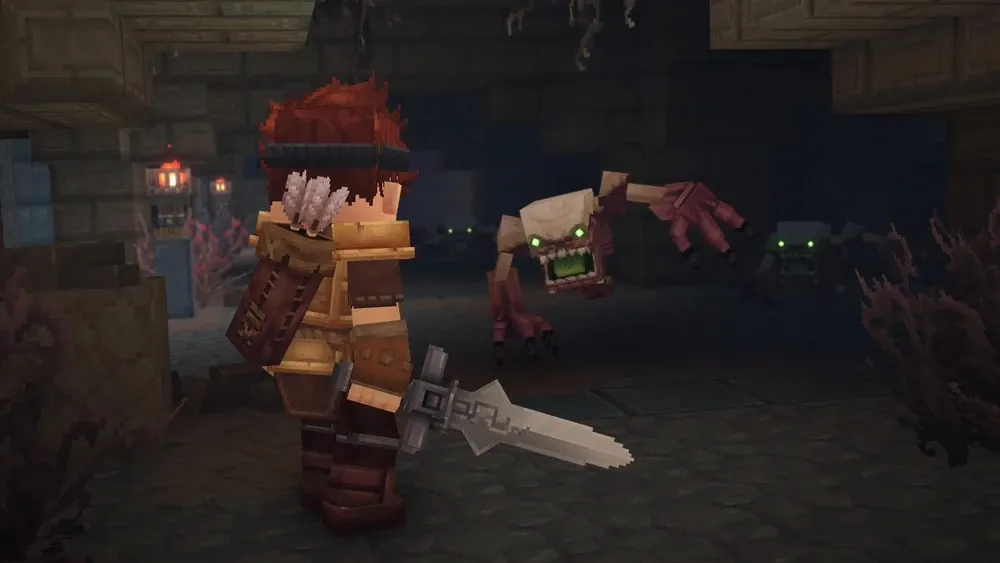
- Skeletons (undead)
- Zombie variants
- Crawler
- Fen Stalker
- Goblins
- Golems (Earth variants)
- Giant White Spiders
- Other dungeon monsters
(Also NPC tribes like Trorks appear in forest ruins and strongholds.)
Key Notes:
- Forests are rich with passive animals for food and crafting materials.
- Caves spawn hostile monster mobs, requiring preparation.
- Certain bird species (e.g., pigeon, tetrabird) add atmospheric wildlife.
Zone 2 — Howling Sands (Wind Element)
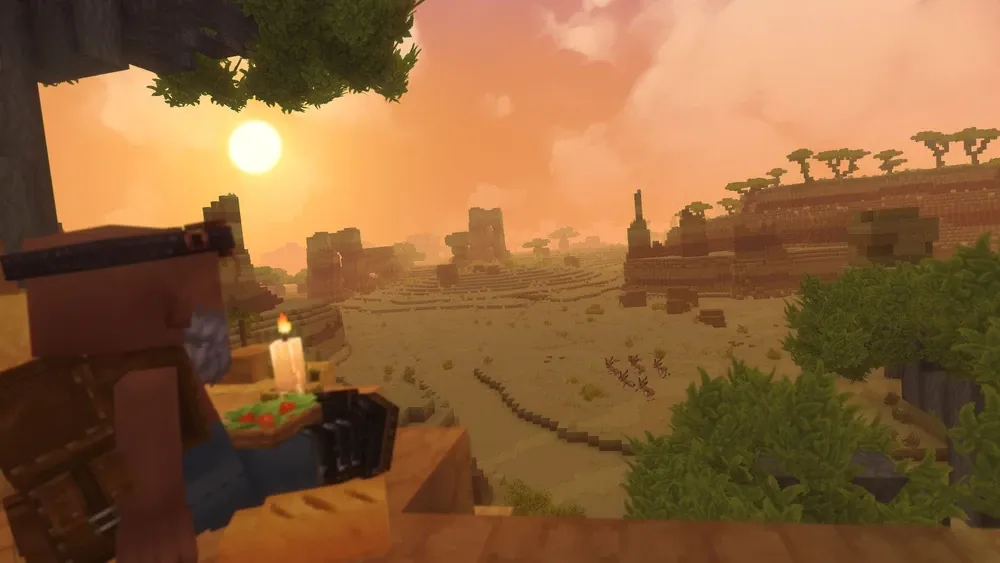
Howling Sands is an arid desert with sun-baked canyons, sparse vegetation, and grassy savannas. Life here is adapted to heat and open terrain.
Howling Sands Sub-Biomes
Deserts
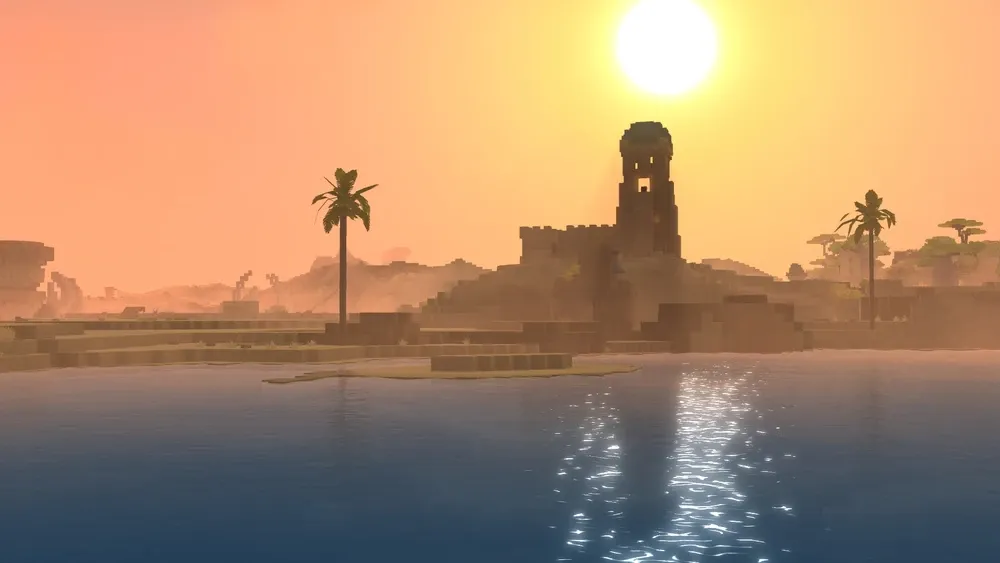
Endless sand dunes with ruins, little water, and powerful sun exposure.
Savannas
Mixed grassland with small trees, tall grass, and roaming herds.
Oasis
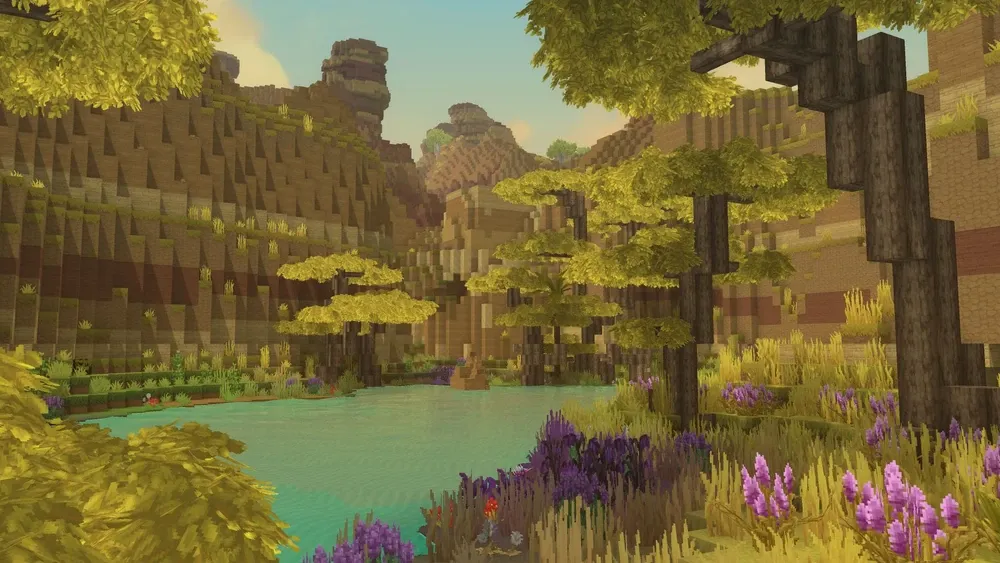
Rare areas with water, shade, and more abundant wildlife.
Known Mobs in Zone 2:
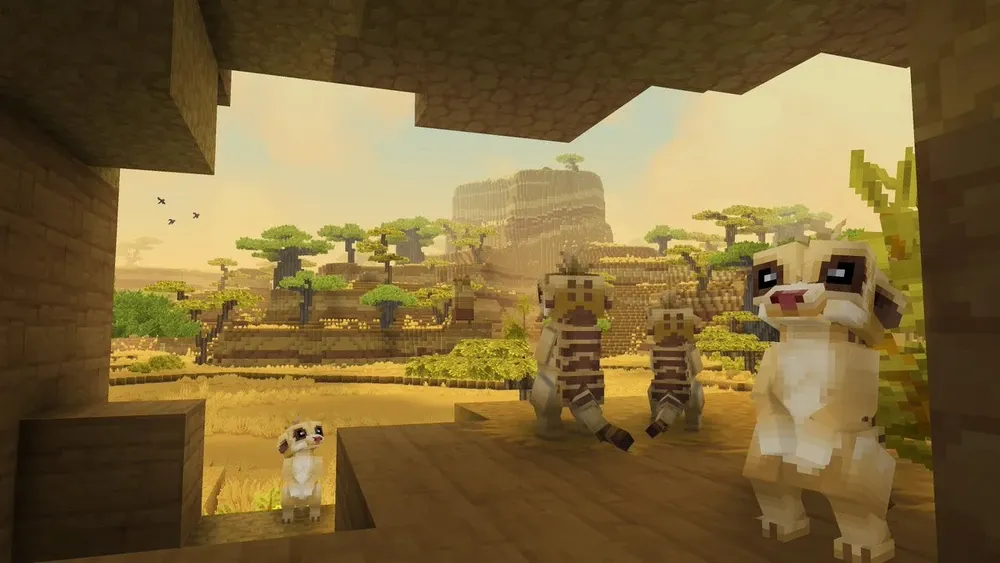
Animals & Fauna
- Antelope
- Camel
- Cactee
- Crocodile
- Flamingo (water near oases)
- Horse
- Hyena
- Meerkat
- Ram (rideable)
- Saber-toothed tiger (predator)
- Snake
- Warthog
- Bison (occasionally in woodland-savanna transitions)
- Saber-toothed tiger (predator)
- Hyena
- Crocodile
- Armadillo burrows and critters
- Birds like the sparrow, vulture, and tetrabird also fly above these regions.
Hostile & Monster-Type
- Skeleton variants in ruins
- Sand-adapted undead
- Desert bandits or npc tribes (e.g., Ferans)
- Scaraks
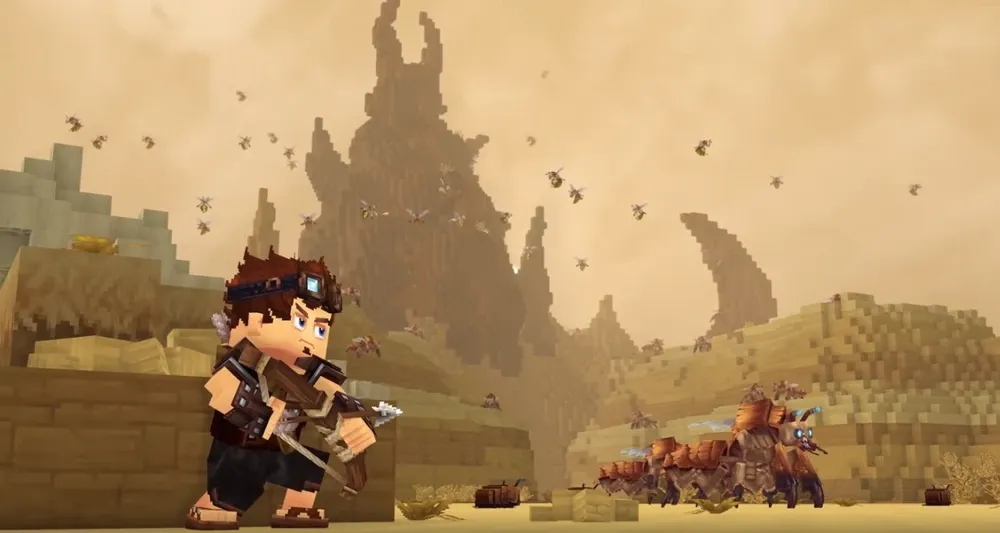
Key Notes:
Savannas often feel safer than deserts but still host carnivorous hunters like saber-toothed tigers and hyenas.
Zone 3 — Borea (Water Element)
The frozen lands of Borea consist of snow, pine forests, ice caverns, and mountains. Extreme cold and blizzards define life here.
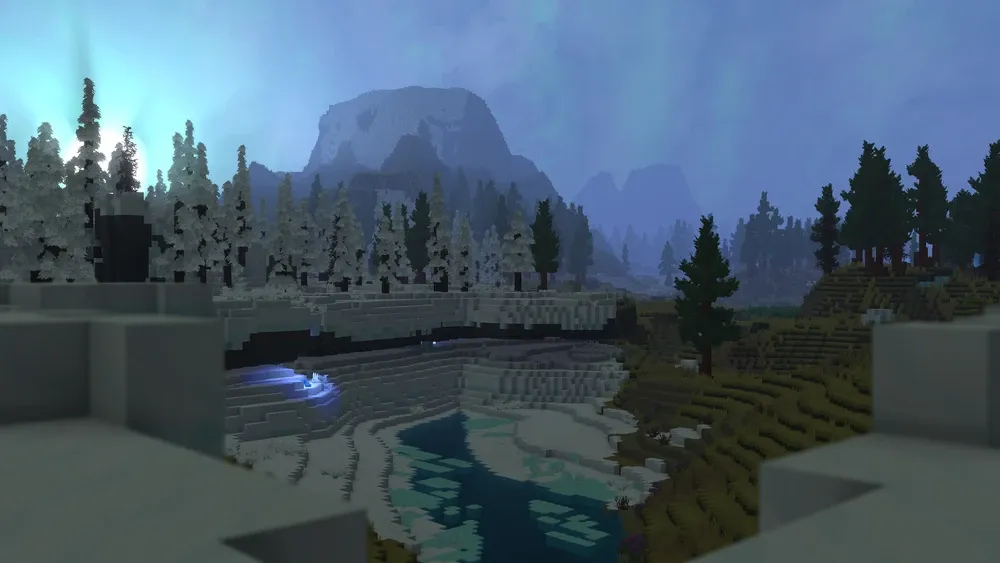
Borea Sub-Biomes
Pine Forests
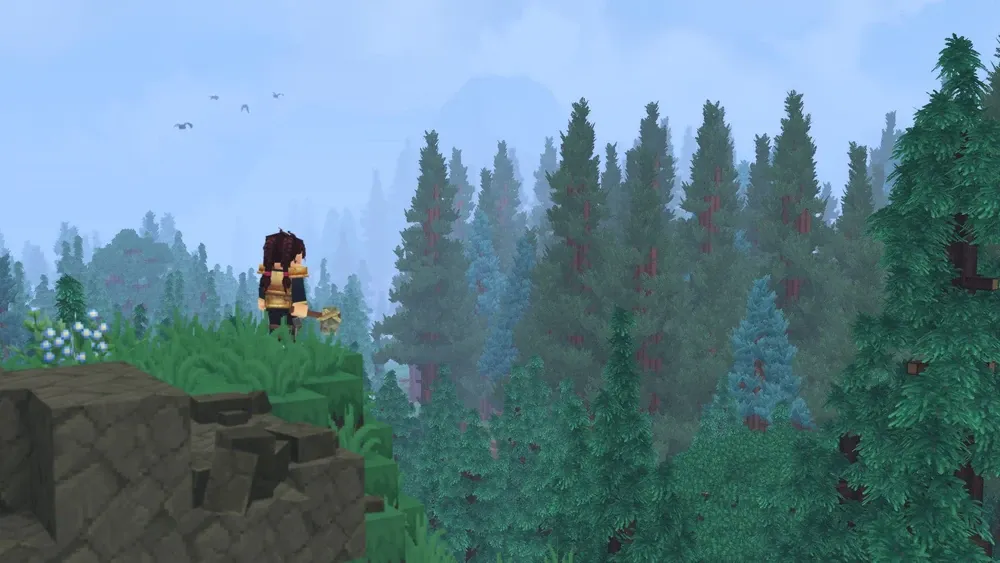
Taiga-style woodlands with evergreen cover.
Snowy Forests & Snowy Plains
Open snow fields with limited cover.
Snowy Mountains
Jagged peaks with deep snow.
Ice Caves & Moorland
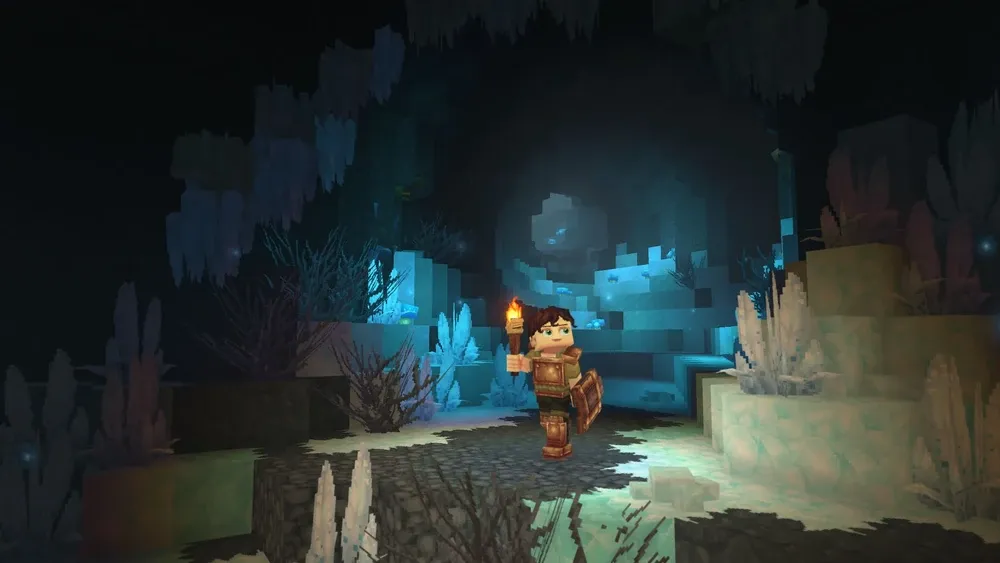
Hidden underground glacier caves with fragile ice formations.
Known Mobs in Zone 3:
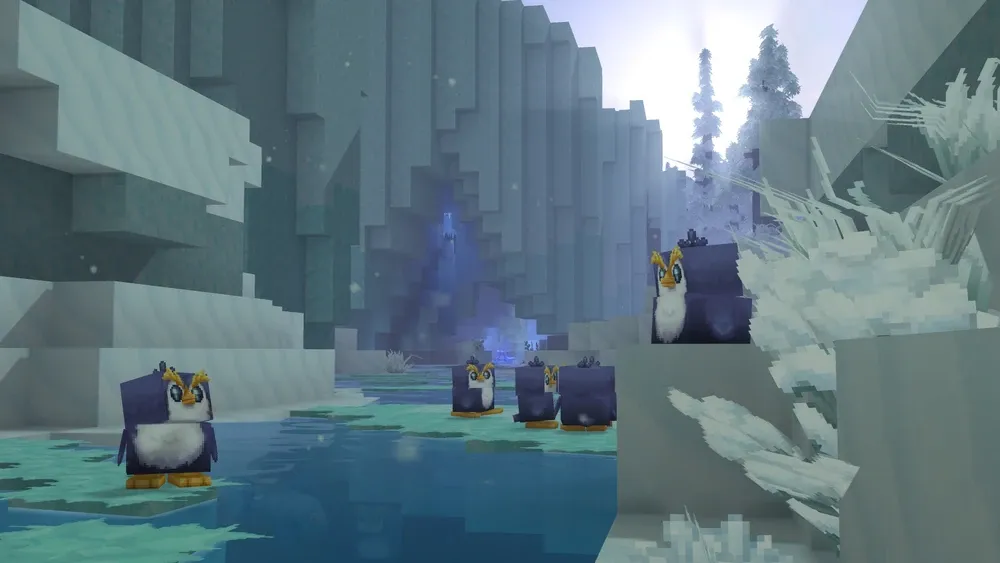
Animals
- Bison
- Moose
- Owl (snowy)
- Polar Bear (neutral/spawn near ice and rivers)
- Penguin (found near ice lakes)
- Snow-adaptive rabbits
- Fox variants
Hostile & Monster-Type
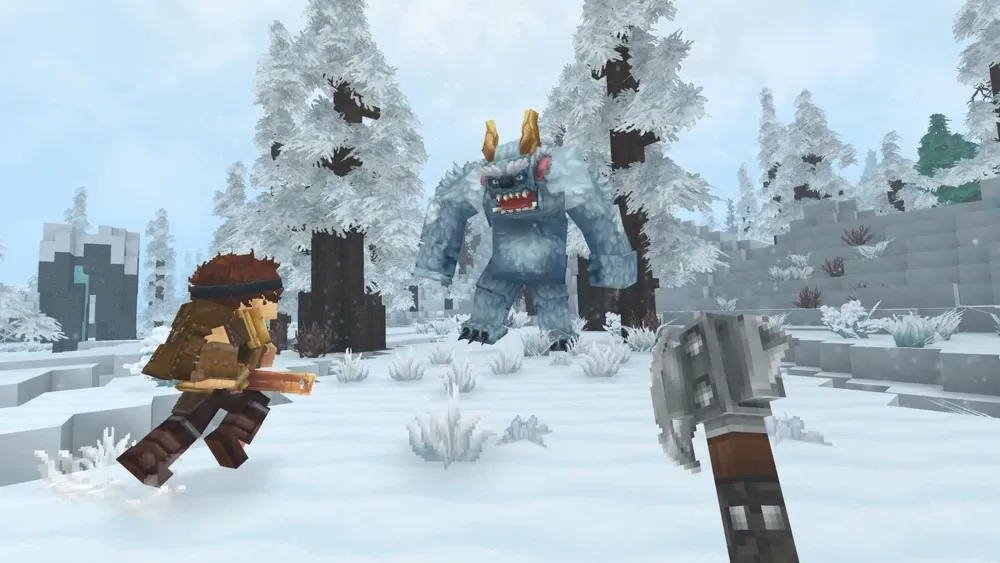
- Yetis
- Ice Dragon
- Fen Stalkers (cold variant)
- Void spawn around ancient ruins
- Monsters and skeletons adapted to snow caves
Key Notes:
Polar bears are often seen hunting penguins near frozen rivers, adding predator-prey relationships.
Zone 4 — Devastated Lands (Fire Element)
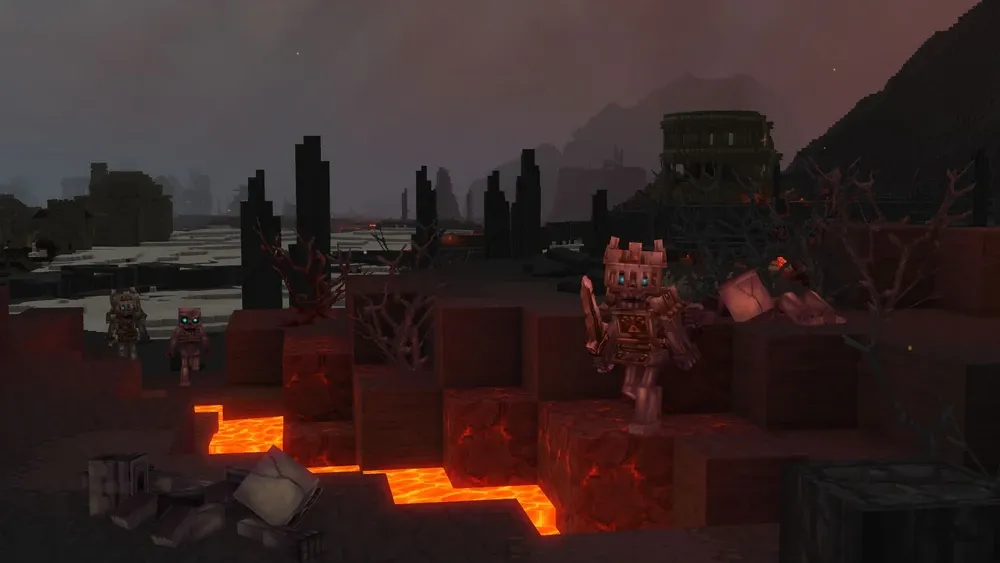
Devastated Lands is a hostile wasteland of molten lava, ash plains, volcanic forests, and hidden tropical underground worlds. Beneath the scorched surface, Zone 4 also has a layered underground with four cave levels. As you descend, the environment gradually shifts from burned and unstable volcanic caverns into increasingly humid, overgrown areas, eventually reaching the deepest layer known as the Forgotten Jungle.
Devastated Lands Sub-Biomes
Volcanoes & Fiery Plains
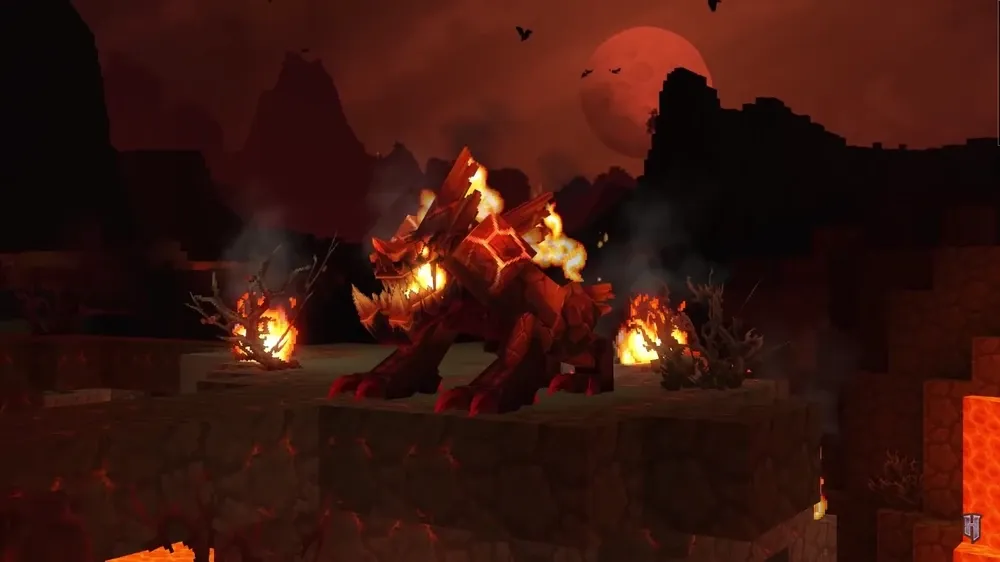
Lava rivers and volcanic ash are everywhere, with little to no life inhabiting this region.
Tropical Jungle
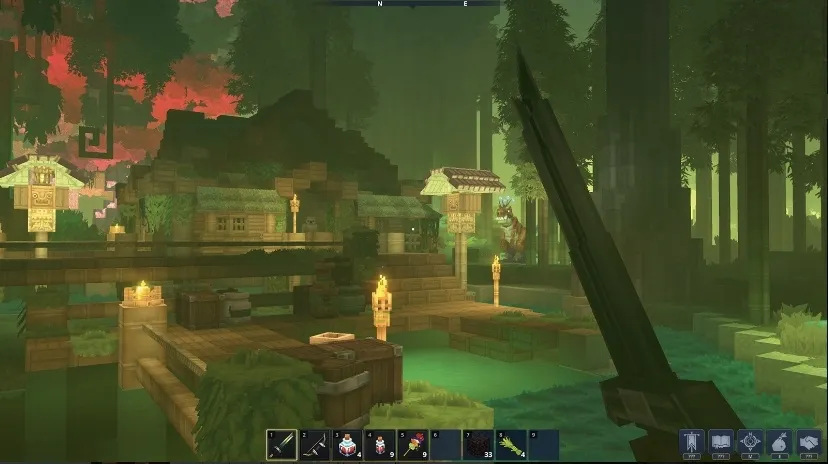
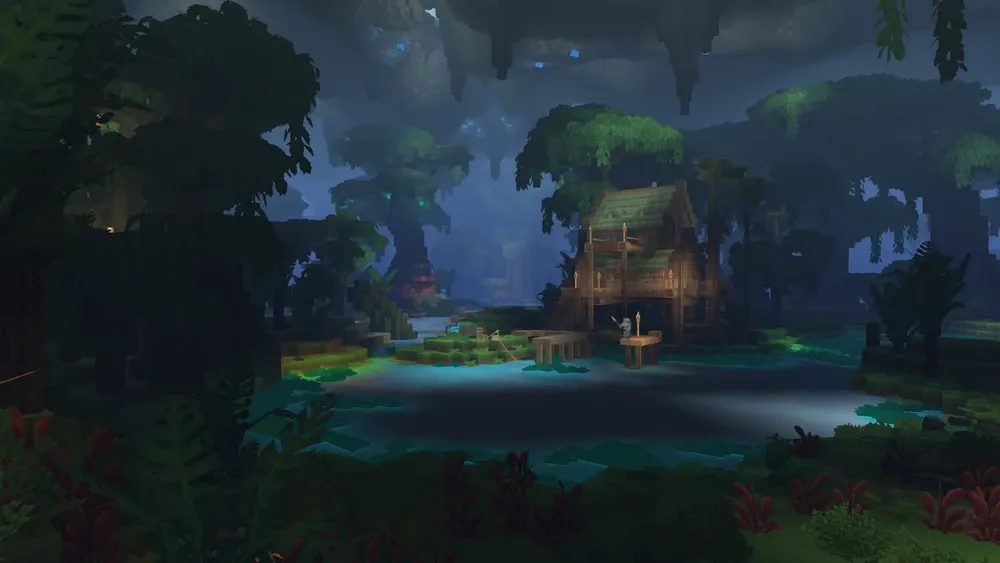
Pockets of rainforest near heat shadow areas or hidden caves. The jungle theme becomes even more noticeable the deeper you go underground, especially near the lower cave levels that lead toward the Forgotten Jungle, inhabited by plants and creatures that have bioluminescent properties.
Known Mobs in Zone 4:
Animals
- Macaque
- Prehistoric Chicken
- Snail (lava-variant)
- Crocodile in lava marsh edges
- Flamingo (volcanic lagoon variant)
- Slothians (Faction)
Hostile & Monster-Type
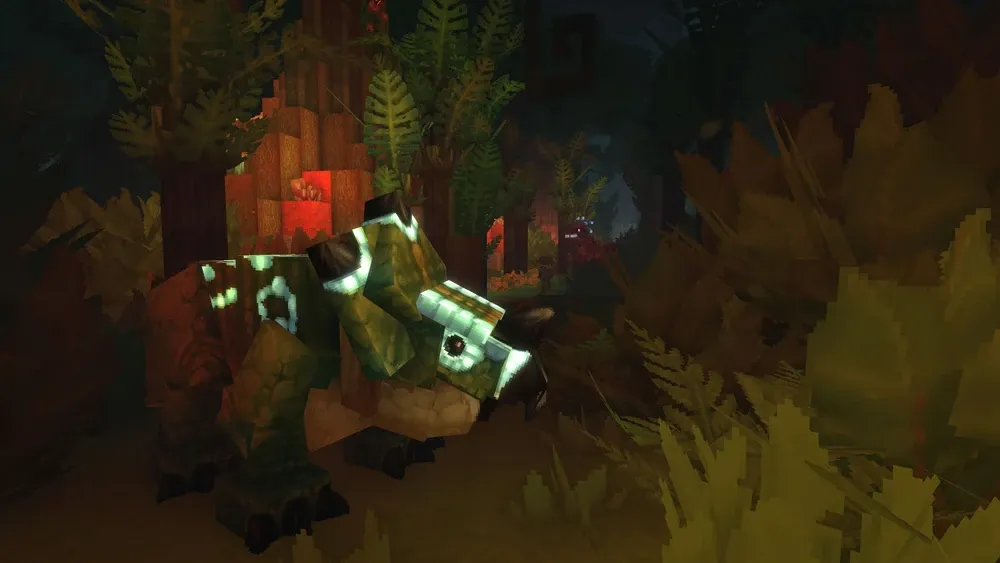
- Cave-Rex
- Dimetrodon
- Emberwulf
- Raptor
- Magma Golem
- Triceratops
- Fire Elemental
- Pale Danger
- Lava variants of skeletons and undead
- Raptor packs
Key Notes:
This zone mixes ancient reptiles with volcanic hazards, making it one of the most dangerous overworld areas outside dungeons. The four underground cave levels add an extra progression layer to Zone 4, because the deeper you explore, the more the biome shifts away from pure fire and ash and into dangerous, overgrown caverns that lead into the Forgotten Jungle.
Ocean Biomes (Across Zones)
Hytale’s ocean biomes are not tied to a single zone. They stretch along coastlines and between continents, acting as their own ecosystem with unique resources, hazards, and exploration opportunities.
Types Of Oceans:
Deep Ocean
The deepest and most dangerous ocean biome, with dark water, steep drop offs, and limited visibility. This area is home to larger and more aggressive sea creatures and may hide rare resources or underwater structures, making it high risk but high reward for explorers.
Coral Reefs
Bright and colorful underwater environments filled with coral, sponges, and dense marine life. Coral reefs are rich in smaller fish and crafting materials, and while they look peaceful, predators can still patrol the edges of reef systems.
Ocean Shelf
Shallow coastal waters found near beaches and landmasses. These areas are safer for early exploration, fishing, and learning underwater movement, with fewer hostile creatures and better visibility compared to deeper ocean zones.
Aquatic life:
- Shark
- Pufferfish
- Clownfish
- Moray eel
- Lobster
- Piranha
- Catfish
- Rainbow trout
- Clam
- Coral & Sponge
Dungeon Bosses And Legendary Monsters
Across biomes you’ll encounter truly mythic monsters, many not tied to a single zone but to dungeons or specific high-threat areas:
Legendary & Mythical Enemies
- Ice Dragon (cold region boss)
- Void Dragons & Void Eye/Spawn
- Kraken (ocean)
- Sand Empress (desert boss)
- Pale Danger (fire/ash areas)
Get Ready To Explore The Zones Of Orbis
Each biome’s wildlife and challenge level affects gear progression, resource gathering, and tactical planning, especially in multiplayer worlds and custom builds on your own hytale server. Biomes also dictate the kinds of NPC tribes you’ll meet, weather hazards, and resource scarcity, making world design and player strategy crucial. Likewise, choosing strong hytale server hosting becomes important when you want persistent worlds full of detailed biome ecosystems and dynamic encounters.